


















Oklahoma Oilfield Injury Attorneys
When the industry that pays you refuses to make you whole.
Oklahoma oilfield workers carry the risk. They should not also carry the cost. If you or a family member has been hurt on an oil or gas worksite, the choices you make in the first days afterward can shape what kind of recovery is even possible.
Workers’ comp is the floor — not the ceiling — of what you may be owed.
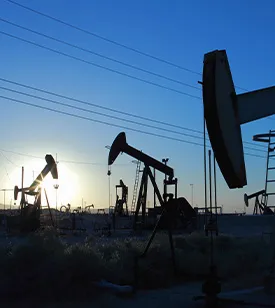
Oilfield work is among the most dangerous in the country. Explosions, equipment failures, falls from height, transportation crashes, and toxic exposures kill and maim workers across Oklahoma every year — often in incidents that were entirely preventable. The Center for Public Integrity reported 1,566 oilfield worker deaths nationwide between 2008 and 2017, and thousands more catastrophic injuries: traumatic brain injuries, spinal cord injuries, severe burns, amputations, and disfigurement.
In Oklahoma, most injured oilfield workers are entitled to workers’ compensation benefits from their employer. Workers’ comp is no-fault, and benefits include medical care and a portion of lost wages. For minor injuries, that may be enough. For serious oilfield injuries, it almost never is.
What workers’ comp does not bar — and what most injured workers are never told — is a separate claim against any third party whose negligence contributed to the injury. On an oilfield, third parties are everywhere: equipment manufacturers, other contractors, well operators, maintenance providers, transport companies, and site owners. Pursuing both — with counsel who understands how they interact — typically recovers far more than workers’ comp alone.
Most catastrophic oilfield injuries are predictable — the result of cost-cutting, pressure to produce, and ignored safety standards.
Oil and gas companies in Oklahoma have posted record profits in recent years. Yet the same root causes appear in case after case — failures of equipment, training, supervision, and basic regard for worker safety. These are the categories we see most often.
Explosions, Fires & Blowouts
Sudden releases of pressurized gas or fluid cause some of the most catastrophic injuries on any worksite — severe burns, blast trauma, and toxic exposure. These are rarely freak accidents; they trace back to equipment, procedure, or both.
Defective Machinery & Equipment
Drill pipe, valves, blowout preventers, winches, and pressure equipment that fail under normal use give rise to product liability claims against the manufacturer — separate from any workers’ comp claim.
Falls From Height
Rig floors, derricks, monkey boards, and elevated walkways. Inadequate fall protection, missing guardrails, and unstable surfaces drive serious head, spine, and orthopedic injuries.
Struck-By & Caught-Between Incidents
Moving pipe, tongs, elevators, and tools cause crushing injuries, amputations, and fatalities. Dropped objects — chiksans, lights, hand tools — strike workers below at violent speeds.
Heavy Equipment & Crane Failures
Rig collapses, crane failures, and forklift incidents leave workers with the most catastrophic injuries an oilfield can produce — and the liability often extends well beyond the immediate operator.
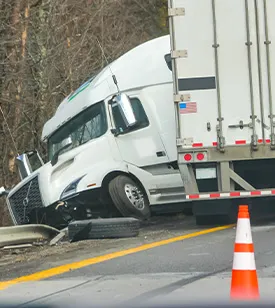
Vehicle & Transport Collisions
Service trucks, water trucks, rig movers, and tankers traveling between sites and on rural roads. Trucking-company negligence frequently runs alongside oilfield-site negligence in these cases.
Toxic Chemical & H₂S Exposure
Hydrogen sulfide, drilling fluids, and refinery chemicals cause respiratory damage, neurological injury, and death. Inadequate monitoring and missing PPE are recurring failures.
Inadequate Training & Supervision
Inexperienced crews, language barriers, and pressure to produce in unsafe conditions create the environment in which preventable incidents become catastrophic ones.
Critical evidence — incident reports, equipment, photographs, witness statements, and OSHA records — disappears quickly after a serious oilfield injury. Companies are organized to protect themselves before the injured worker is even out of the hospital. Acting fast matters.
Most injured oilfield workers have a second, larger claim they don’t know about — and no one tells them.
Pursuing a workers’ comp claim does not preclude a third-party claim. The two systems run side by side, with very different scopes of recovery.
Workers’ Compensation
Against your employer — no-fault, but limited.
- No-fault — you don’t have to prove anyone did anything wrong.
- Pays for medical care related to the injury.
- Pays a portion of lost wages, on a fixed schedule.
- Does not pay for pain and suffering.
- Does not pay punitive damages.
- No recovery for diminished future earning capacity beyond a fixed schedule.
- Generally bars suit against your employer — even when their conduct was egregious.
Third-Party Claim
Against negligent parties other than your employer.
- Pursued in addition to — not instead of — your workers’ comp claim.
- Full lost wages, including diminished future earning capacity.
- Pain and suffering, disfigurement, and loss of enjoyment of life.
- Loss of consortium for spouses and family.
- Punitive damages in cases of egregious conduct.
- Independent insurance policies — separate avenues of recovery.
- Equipment manufacturers, contractors, operators, transport companies, site owners.
On most Oklahoma oilfields, you are working alongside half a dozen other companies — any of whom could bear responsibility.
Identifying every potentially liable party is one of the most important early steps in an oilfield injury case. Each one represents a separate insurance policy and a separate avenue for the recovery your family needs.
Equipment Manufacturers
Defective drill pipe, valves, pressure equipment, hand tools, and PPE. Product liability claims proceed independently of workers’ comp and can recover the damages comp does not.
Other Contractors on Site
Most oilfield worksites have multiple companies operating side by side. When another contractor’s negligence injures you, that company is a third party — not your employer.
Well Operators & Lease Holders
The company that owns or operates the well is often legally distinct from the drilling contractor that employs you. Their decisions about safety, scheduling, and oversight create liability.
Maintenance & Service Companies
Inspection, repair, and servicing of oilfield equipment is frequently outsourced. Failures in those services that cause injury are third-party liability, not workers’ comp.
Transport & Trucking Companies
Drivers and carriers moving equipment, water, sand, or workers between sites. A crash on the way to or from a worksite often involves a separate, well-insured trucking defendant.
Property & Site Owners
When an oilfield injury occurs because of unsafe site conditions the property owner knew about and failed to address, premises liability principles apply alongside any comp claim.
Our attorneys understand how oil and gas operations are structured, how OSHA and Chemical Safety Board regulations apply, and how to identify every contractor, subcontractor, manufacturer, and operator whose conduct may have contributed to the injury. That investigation is what separates a workers’ comp claim from a complete recovery.
If you or a family member was hurt on an oil or gas worksite — the steps that protect your case.
Report the injury, get treatment, and document everything you can. Then, before you give a recorded statement, sign a release, or accept any offer, talk to a lawyer.
Report the injury immediately.
Oklahoma generally requires that workplace injuries be reported to your employer as soon as possible. Make the report in writing if you can, and keep a copy of anything you sign.
Get medical treatment.
See a physician promptly. Adrenaline and shock mask injuries — and gaps in your medical record become the carrier’s argument that you were not really hurt.
Document the scene.
Photograph the equipment, the conditions, and any visible damage. Note the names of co-workers and other contractors on site while memories are still fresh.
Preserve every report.
Keep copies of incident reports, OSHA documents, and anything the company asks you to sign. These records can disappear from company files within days.
Do not give a recorded statement.
Before you speak to your employer’s workers’ comp carrier — or any third-party insurer — talk to a lawyer. Recorded statements are routinely used to limit what is paid.
Call before signing any release.
The first conversation costs you nothing. What you do — and don’t do — in the first weeks can determine whether you walk away with comp benefits alone or full recovery.
There is a remedy. There is also a clock.
Workplace injuries must be reported to your employer as soon as possible, and workers’ comp claims are subject to strict deadlines. Third-party personal injury claims are generally subject to a two-year statute of limitations from the date of injury, and wrongful death claims are subject to a two-year statute from the date of death. Cases involving government property or government employees can require formal notice in as little as 90 days. Beyond the statutes, evidence at oilfield sites can be cleaned up, repaired, or replaced within days.

Map every defendant. Preserve the evidence. Pursue the recovery workers’ comp won’t reach.
Our role is to investigate the worksite, identify every contractor and manufacturer whose conduct contributed to your injury, and pursue the third-party recovery that workers’ comp leaves on the table.
-
Identify every potentially liable partyEquipment manufacturers, well operators, other contractors, maintenance and transport companies, site owners. Each represents a separate insurance policy.
-
Preserve evidence before it disappearsIncident reports, equipment, OSHA records, witness statements, photographs. We move quickly because oilfield evidence can be cleaned up, repaired, or replaced within days.
-
Run comp and third-party claims togetherPursuing workers’ comp does not preclude a third-party claim. The two systems run side by side, and we coordinate them so neither undermines the other.
-
No fee unless we recoverFree, confidential consultation. We handle these cases on contingency — you pay nothing unless we recover compensation for you.

Your instinct to act on this matters. So does timing.
Tell us what happened. We will review the situation, explain your options in plain language, and tell you whether there is a case to pursue. There is no fee to talk to us, and no fee unless we recover for you.
Request a Free Case Review
All consultations are confidential. Response within one business day.