









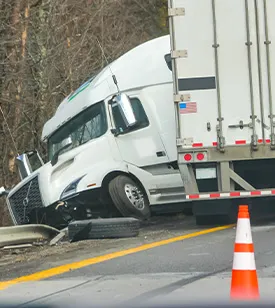
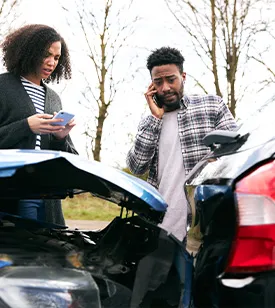
Nearly all car wrecks are caused by intentional decisions and conduct. The driver who caused the wreck may not have intended to collide with another vehicle. That driver may not have intended to hurt an innocent person. In the worst cases, a driver may genuinely not have intended to hurt or kill another person. Yet, nearly every single day, somewhere in Oklahoma, a family’s loved one is hurt or killed in a motor vehicle collision. Even though the result was not intended, the actions, decisions, and conduct that led to the crash were. Cases arising from motor vehicle crashes are analyzed and prosecuted by focusing on the intentional parts of the at-fault driver’s pre-collision conduct.
For example, a driver intentionally speeds up when a light turns yellow to try and make it through the intersection. While the first car enters the intersection, a car waiting to turn left, gets a green light and pulls out in front of the first driver. Due to speed, the driver who ran the yellow/red light, is unable to stop before colliding with the vehicle turning left. The driver who caused the T-bone impact and resulting physical damage and bodily injuries, may not have “intended” to collide with another vehicle. However, that driver did intend to speed. That same driver also decided to enter an intersection as the traffic control light turned red. Thus, the wreck was not an accident. This motor vehicle collision occurred because the at-fault driver decided to speed up to try and catch the light, instead of slowing down and waiting for the next green light.
For another example, a driver intentionally changes lanes on the highway without checking mirrors or blind spots. A collision occurred and the vehicle that was adjacent to the first vehicle is pushed off the road. The vehicle that was pushed off the highway rolled multiple times with significant injuries to the occupants, including partial ejection with fatal injuries to the driver. In this example, the first driver did not intend to hurt people. The first driver did not even intend to collide with another vehicle. However, the family that lost a loved one was affected by the intentional decision not to appropriately change lanes of travel on the highway. The at fault driver did not intent to kill someone, but they did intend to change lanes, and they did so improperly with horrible consequences.
Car crashes, wrecks, collisions, fender benders, incidents, etc. happen every day of every week across Oklahoma. Vehicle “accidents” are very rare. A vehicle crash is rarely the intended consequence of a driver’s conduct. Yet, a crash may be the consequence of intended conduct by a motor vehicle driver. Most importantly, from a victim’s perspective, whether an at-fault driver intended to hurt someone or not, is irrelevant because that driver intended the conduct that directly caused pain and suffering.
The attorneys of Bison Law know the difference between an “accident” and a motor vehicle crash. We prosecute claims for victims who have been harmed by the actions of another driver.
A Word About This Post
This post is for general education and isn't legal advice about any specific situation. If you've been hurt in a crash and have questions about your rights, our team is happy to talk with you about the specific facts of your case.