







Accident: “Oops, I’m sorry.”
Result: Spilled milk.
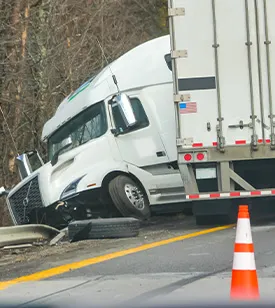
Wreck: Caused by an intentional choice.
Result: The death of a child.
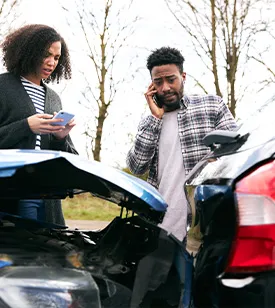
A wreck is not simply an unavoidable “accident.” It is often the foreseeable result of someone intentionally choosing to:
Drink and drive;
Talk or text on a cellphone while driving;
Speed;
Drive under the influence of drugs; or
Operate a vehicle known to be defective.
But for that intentional choice, the wreck—and the devastating injuries it caused—would not have happened.
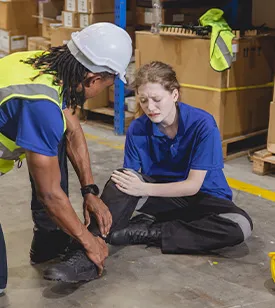
At Bison Law Firm, we do not handle spilled milk. We represent people who have been seriously injured and whose lives have been permanently changed because of another person’s intentional choice. Those people were not merely involved in an “accident.” They were injured in a wreck.
Why does that distinction matter?
Calling a wreck an “accident” can subtly create sympathy for the person who caused it. The word suggests that no one was responsible and that nothing could have been done to prevent it.
We disagree.
When someone seriously injures another person because of a deliberate and intentional choice, that person should be held accountable. That accountability should not be minimized by language designed to influence the mindset of an insurance adjuster, defense attorney, judge, or jury.
Words matter. Choosing them carefully could mean the difference between a favorable resolution and a denied claim—or between a $1 million jury verdict and a zero-dollar verdict.
We believe this attention to detail is one of the things that separates Bison Law Firm from the rest.
Details matter. Words matter. Accountability matters.
If another person’s poor choice has changed your life, call Bison Law Firm.
A Word About This Post
This post is for general education and isn't legal advice about any specific situation. If you've been hurt in a crash and have questions about your rights, our team is happy to talk with you about the specific facts of your case.